How Energy Infrastructure Shapes Modern Society
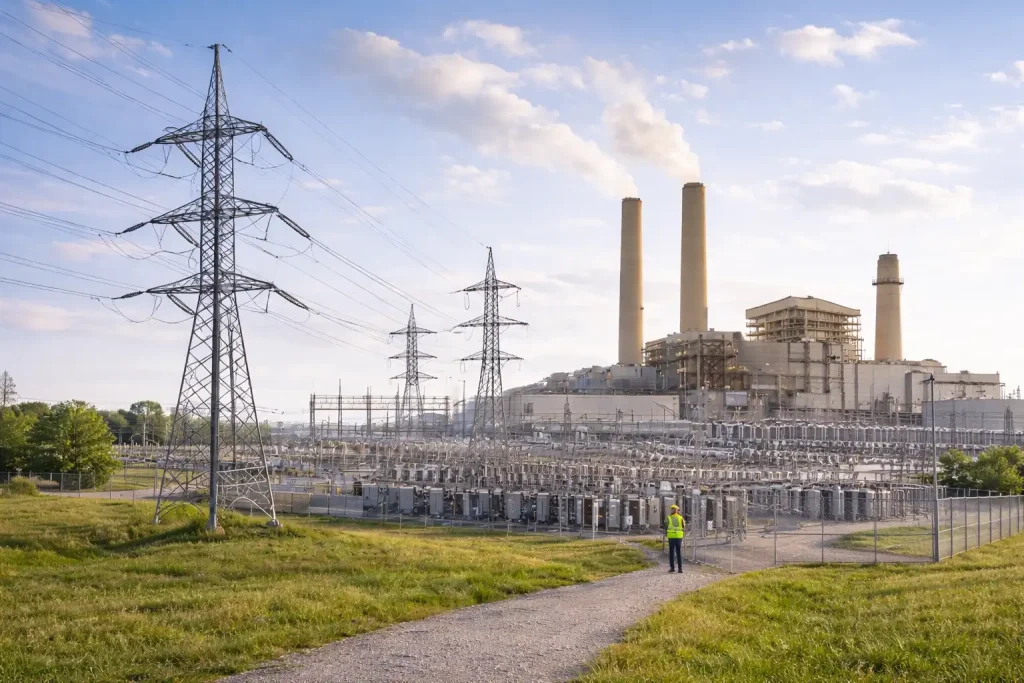
Large-scale energy infrastructure, including power plants, substations, and transmission lines, forms the backbone of the electrical grid.
Energy infrastructure forms the foundation of modern civilization. It includes the systems that generate, transmit, and distribute electricity to homes, businesses, and institutions. Although largely invisible in daily life, this infrastructure supports nearly every aspect of modern activity, enabling communication, transportation, healthcare, and economic productivity.
The scale of energy infrastructure is immense. Power plants convert natural resources into electricity, transmission networks move that electricity across vast distances, and distribution systems deliver it to individual buildings. This process occurs continuously, maintaining the balance between supply and demand.
Infrastructure is designed for reliability, but it also exists within the physical world, where environmental conditions, aging equipment, and changing demand influence its operation. Maintaining this system requires ongoing management, inspection, and modernization.
Energy infrastructure also reflects historical development. Many systems were built during periods of growth and have expanded over time. As technology evolves and energy needs change, infrastructure adapts to support new patterns of use.
The reliability of energy infrastructure plays a central role in daily life. Access to electricity supports essential services and provides the foundation for modern living. Without it, many of the systems people depend on would not function.
Understanding energy infrastructure provides insight into how electricity moves from its source to the home. It highlights the complexity of the systems that support modern life and the importance of maintaining their reliability.