Why Backup Power Has Become Essential for Modern Homes
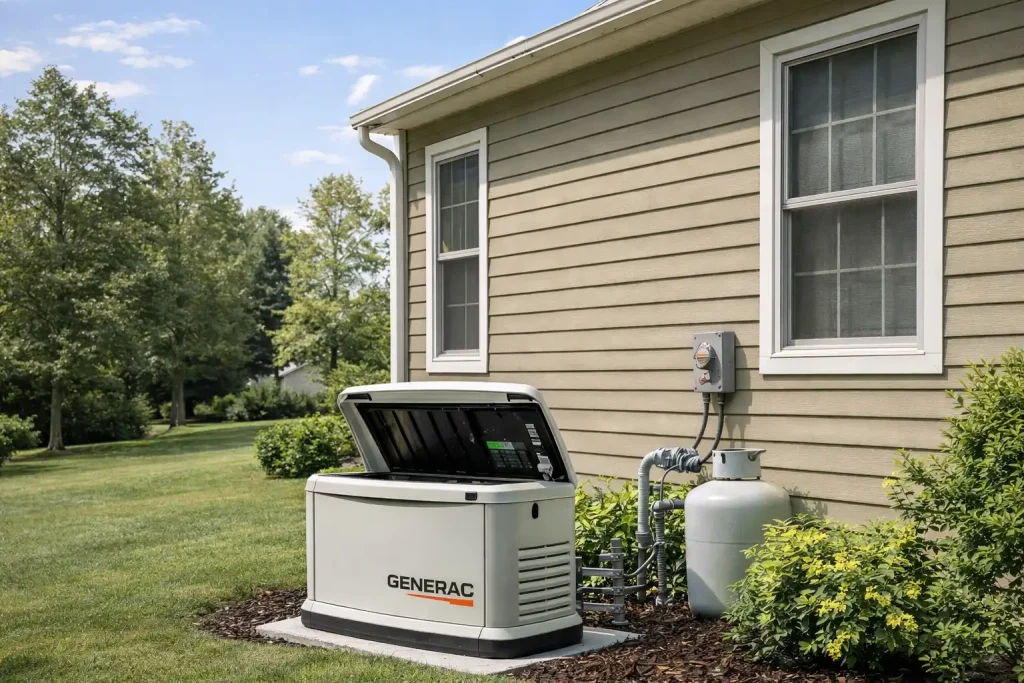
A backup power system installed outside a home provides electricity during grid outages, helping maintain essential household functions.
Electricity has become so fundamental to modern living that its continuous availability is often assumed. From lighting and refrigeration to communication and climate control, nearly every aspect of daily life depends on reliable electrical service. However, as power outages have become more visible in recent years, many households have begun to reconsider the importance of having backup power available. What was once viewed as a precaution for rare emergencies is increasingly seen as a practical component of household resilience.
Backup power refers to any system capable of providing electricity when the primary grid is unavailable. These systems can vary in size and capacity, but their purpose remains the same: maintaining essential functions during interruptions. Even short outages can disrupt daily routines, affect food storage, interrupt work, and reduce comfort inside the home. In areas prone to severe weather or infrastructure stress, outages may last longer, making backup power even more relevant.
One of the most important roles of backup power is preserving basic household stability. Refrigeration, for example, plays a critical role in food safety. Heating and cooling systems maintain indoor conditions that support comfort and health. Communication devices allow people to stay informed and connected. When electricity is lost, these systems stop functioning unless an alternative power source is available.
Backup power also supports continuity. In homes where remote work is common, electrical interruptions can affect productivity and communication. Access to lighting, internet connectivity, and essential electronics helps maintain normal routines even during temporary disruptions. This continuity contributes to a sense of stability and control during uncertain situations.
The concept of backup power reflects a broader shift in how households think about energy. Rather than viewing electricity as something that is always guaranteed, many people are recognizing the value of preparation. Backup systems provide an additional layer of reliability, helping bridge the gap between outage and restoration.
As electrical infrastructure continues to evolve and environmental conditions change, backup power has become an increasingly relevant part of modern home planning. Its role is not simply about convenience, but about maintaining essential functions that support everyday life.