What Is Energy Independence and Why It Matters More Than Ever
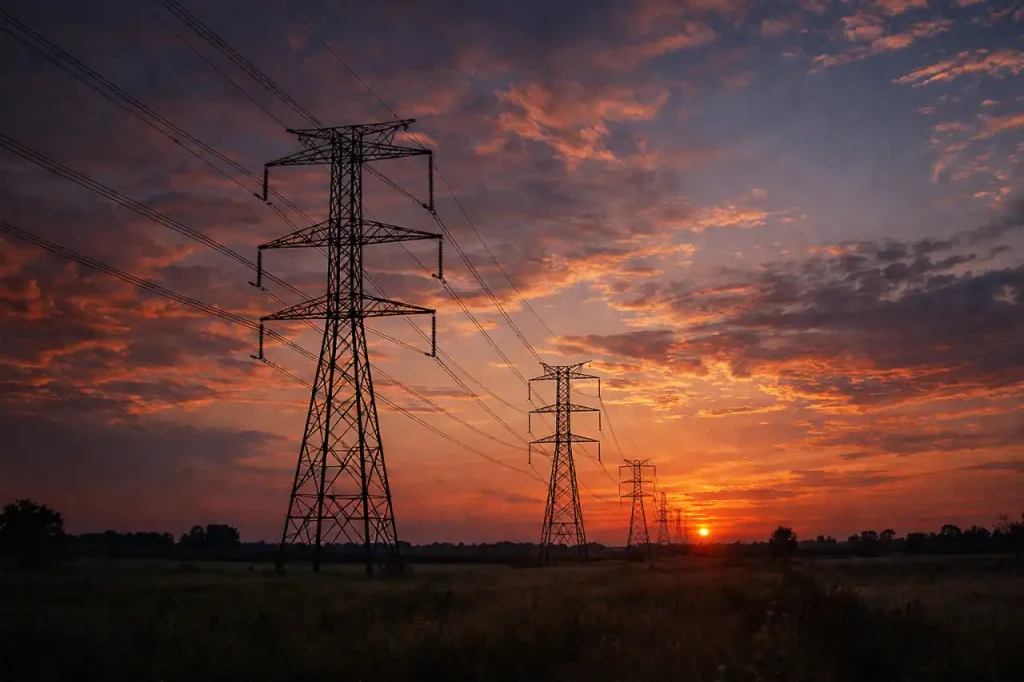
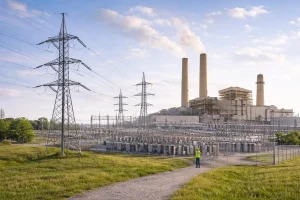
High-voltage transmission lines form the backbone of the electrical grid that powers modern life.
On a cold winter morning in Texas in February 2021, millions of people woke up without electricity. Heating systems stopped working. Refrigerators went silent. Entire neighborhoods were left in the dark for days. For many families, it was the first time they realized how dependent their lives had become on a fragile and distant power infrastructure.
Events like that are no longer rare. Across the United States, power outages have become more frequent, more expensive, and more disruptive. Severe storms, aging infrastructure, cyber threats, and growing demand have all exposed a simple reality: the modern electrical grid, while essential, is not invincible.
In response, a growing number of homeowners have begun exploring a concept once associated mostly with remote cabins and survivalists. That concept is energy independence.
Understanding Energy Independence
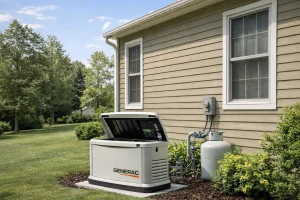
At its core, energy independence means having control over your own access to power. It does not necessarily mean completely disconnecting from the grid. For most people, it simply means having an alternative way to produce or store electricity, ensuring that their home can continue functioning even when the main grid fails. Energy independence exists on a spectrum. At one end are fully off-grid homes, producing all their own electricity.
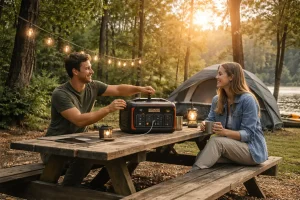
At the other end are grid-connected homes with backup systems that provide temporary power during emergencies.Both approaches share the same goal: reducing vulnerability.Because electricity is no longer a luxury. It is the foundation of modern life.Without it, communication stops. Food spoils. Medical devices fail. Safety becomes uncertain.
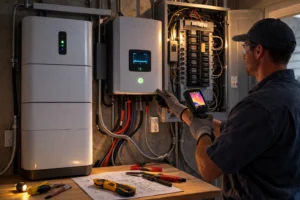
Many homeowners have started thinking more seriously about outages and how to prepare for them, especially as these disruptions become more common across the country.
Why It Has Become More Relevant Now
For decades, electricity in the United States was largely taken for granted. Outages were usually brief and localized. That assumption has changed.According to data from the U.S. Energy Information Administration, power outages have increased significantly over the past 20 years, largely due to extreme weather events and infrastructure strain.Climate patterns have shifted. Heat waves are placing unprecedented demand on cooling systems. Winter storms are hitting regions unaccustomed to severe cold. Wildfires, hurricanes, and flooding have all contributed to widespread disruptions.
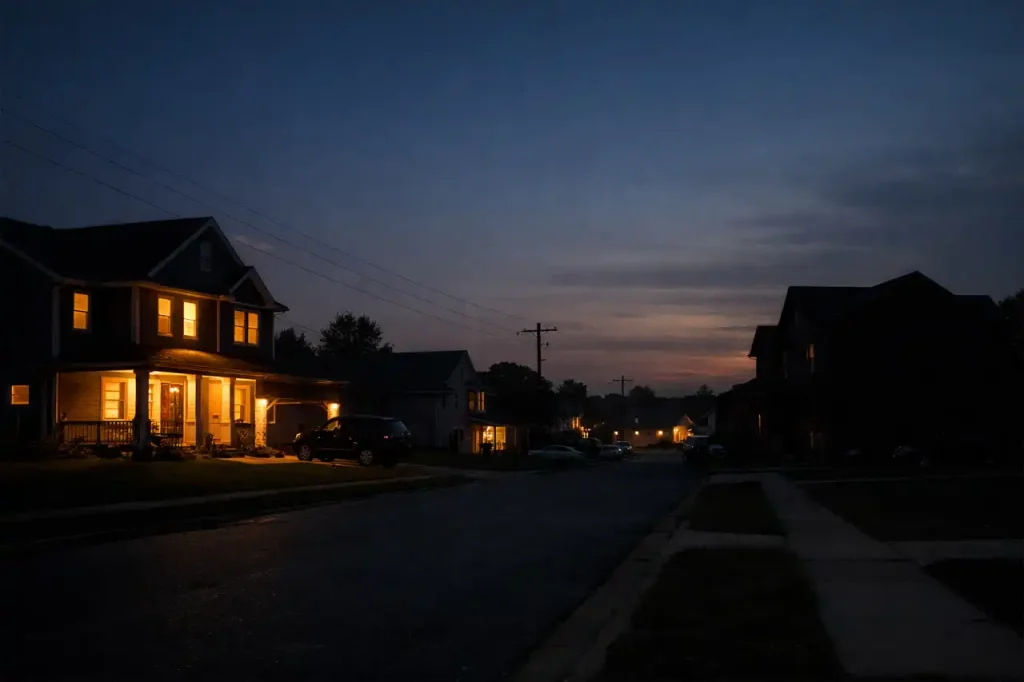
At the same time, the electrical grid itself is aging. Much of the infrastructure in use today was built decades ago, in a very different world, with very different demands. Repairing and modernizing that system is a slow and expensive process.In the meantime, households are increasingly looking for ways to protect themselves.
The Financial Dimension
Energy independence is not only about reliability. It is also about cost.Electricity prices have risen steadily in many parts of the country. While increases vary by region, the long-term trend has been upward.

For homeowners, that creates uncertainty. Monthly utility bills are no longer entirely predictable. Seasonal spikes can be substantial.Having independent energy capabilities can help stabilize those costs, or at least reduce exposure to sudden increases.Even partial independence can make a meaningful difference over time.
The Psychological Shift
There is also a psychological component. For generations, energy was something invisible. It came from the wall, and that was the end of the story.Today, more people are paying attention to where their power comes from, and what happens when it stops.This awareness has led to a broader cultural shift. Energy is no longer seen as something guaranteed. It is seen as something that needs to be managed.
This change in mindset reflects a deeper desire for resilience.Not out of fear, but out of preparedness.