What Happens Inside Your Home When the Power Goes Out

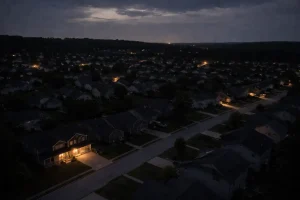
A home interior during a power outage reveals how much daily life depends on electricity.
When Electricity Suddenly Stops
Electricity is so deeply integrated into modern life that its presence often goes unnoticed — until it disappears. When the power goes out, the change is immediate and unmistakable. Lights turn off, familiar background sounds vanish, and everyday routines are interrupted. What was previously effortless suddenly requires adjustment. While outages vary in duration and impact, even a short interruption reveals how many essential systems inside the home depend entirely on a continuous flow of electricity.
Understanding what happens during an outage provides insight into both the practical and emotional effects of losing power, and why electricity plays such a central role in daily life.
Lighting and Visibility Are the First to Change
One of the first and most obvious effects of a power outage is the loss of lighting. Homes that were fully illuminated seconds earlier can become dark, especially at night or in rooms without natural light. This sudden change affects mobility, safety, and comfort. Tasks that were routine, such as walking through a hallway or preparing food, may become more difficult. The home environment shifts from one of control and visibility to one that feels less predictable.
This change in lighting is often the moment when people first become aware that power has been interrupted.
Refrigeration Stops and Food Begins to Warm
Refrigerators and freezers rely entirely on electricity to maintain safe temperatures. When power stops, cooling systems immediately shut down. While appliances are designed to retain cold air for a period of time, temperatures inside gradually begin to rise. The length of time food remains safe depends on factors such as how full the appliance is and how often the door is opened.
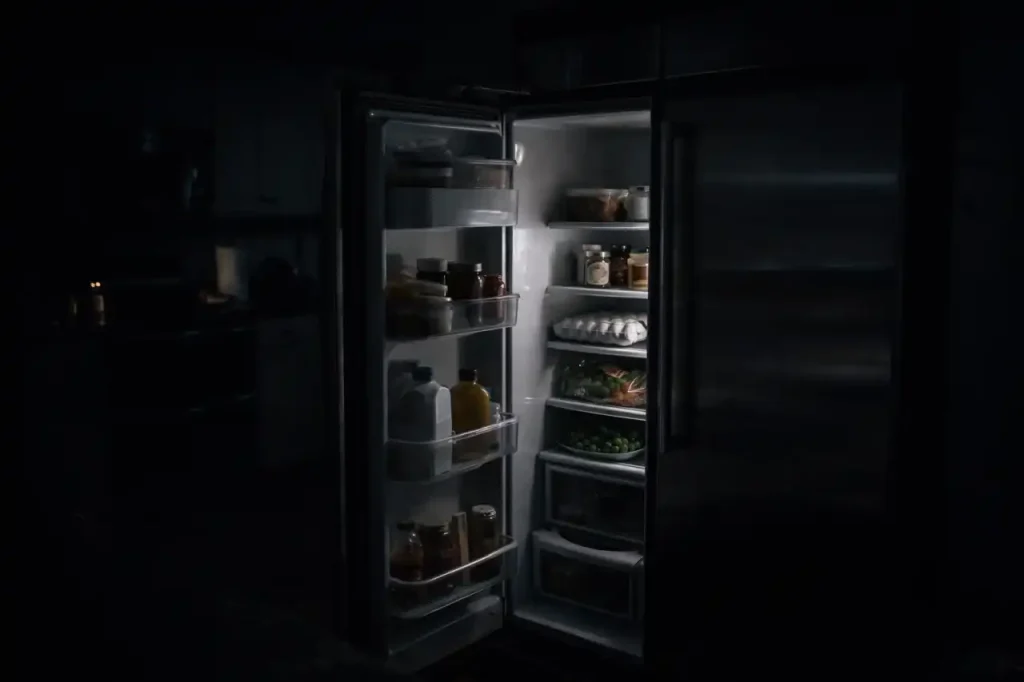
This process happens slowly, but it begins as soon as electricity is lost. Refrigeration is one of the most critical systems affected during an outage because of its role in food safety.
Heating and Cooling Systems Become Inactive
Indoor temperature control is another major system affected by outages. Air conditioning systems stop during hot weather, and heating systems may stop during cold weather, depending on how they are powered. This can cause indoor temperatures to gradually move toward outdoor conditions. In extreme weather, this change can affect comfort and, in some situations, safety.
The ability to regulate indoor temperature is one of the most significant ways electricity shapes the home environment, and its absence can be immediately noticeable.
Communication and Internet Access May Be Interrupted
Modern communication depends heavily on electricity. Internet routers, modems, and Wi-Fi systems require power to operate. When electricity stops, these devices shut down, interrupting internet access. This can affect remote work, access to information, and communication with others. While mobile devices may continue to function using battery power, their ability to connect to networks may also be affected if local infrastructure loses power.
This loss of connectivity can create a sense of isolation, especially during longer outages.
Household Appliances and Daily Routines Pause
Many household activities depend on powered appliances. Cooking appliances, laundry machines, and entertainment systems all require electricity. Without power, these activities are temporarily paused. The home environment becomes quieter as familiar background sounds, such as fans and electronic devices, disappear.
This change highlights how electricity supports not only essential functions, but also comfort and routine.
Medical and Assistive Devices May Be Affected
Some homes rely on electrically powered medical devices or assistive equipment. These devices can include medical monitoring equipment, mobility aids, or other essential systems. During an outage, these devices may stop functioning unless they have backup power sources. This illustrates how electricity supports health and independence for many individuals.
The impact of outages varies depending on individual needs, but for some households, electricity is closely connected to health and well-being.
The Emotional Impact of Losing Power
Beyond physical systems, outages also affect how a home feels. Familiar environments can feel different when electricity is gone. Silence replaces background noise, and darkness replaces artificial light. These changes can create uncertainty, especially when the duration of the outage is unknown.
Even short outages can shift the sense of normalcy that electricity provides.
Power Restoration and Return to Normal
When electricity is restored, systems return to operation almost instantly. Lights turn on, appliances resume their functions, and indoor environments stabilize. This rapid recovery highlights how dependent modern homes are on continuous electrical service. What was temporarily paused resumes as if nothing had happened.
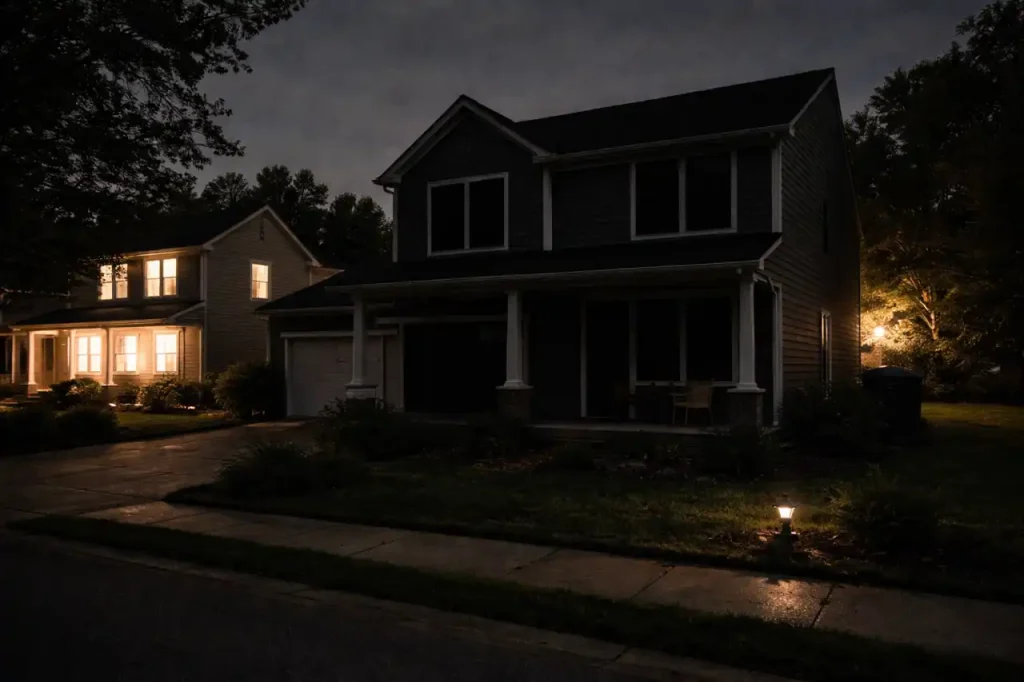
The return of power restores both function and familiarity.
Electricity Shapes Everyday Life in Invisible Ways
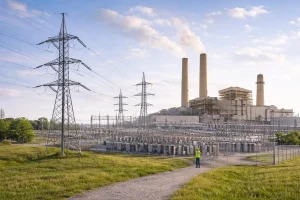
Power outages reveal how deeply electricity is woven into the structure of modern living. Lighting, food preservation, communication, temperature control, and daily routines all depend on its continuous presence. While outages are usually temporary, they offer a clear reminder of how much modern comfort and convenience rely on electrical infrastructure.
Electricity is often invisible when it is present, but its absence makes its importance immediately clear.