Why Extreme Weather Is Increasing Power Outages Across the U.S.
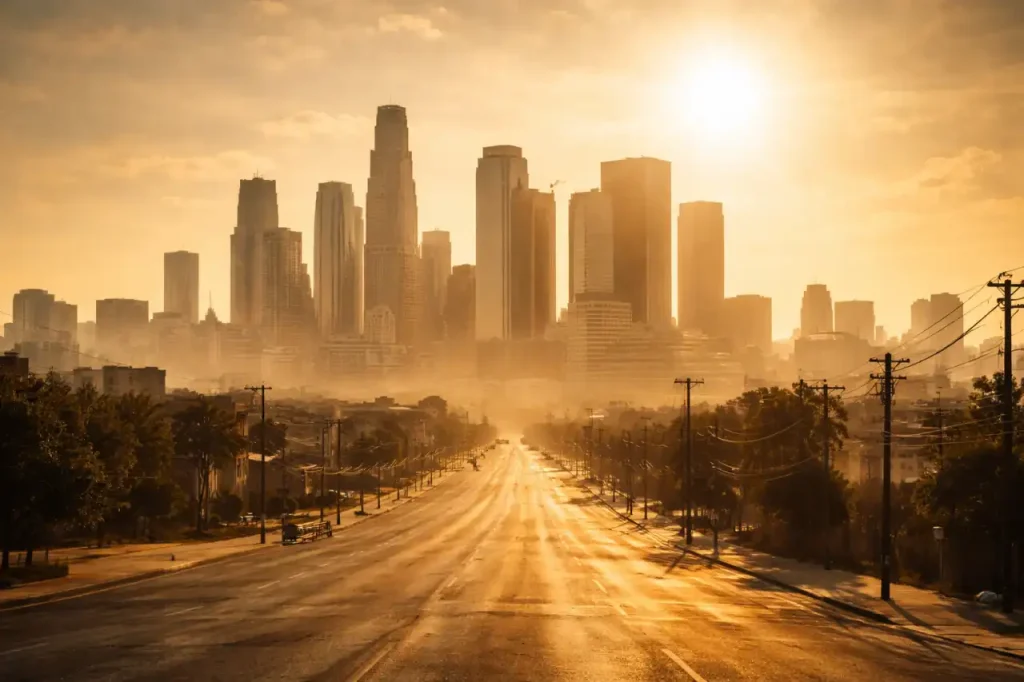
Extreme heat waves increase electricity demand as cooling systems operate continuously.
Introduction: A Growing Pattern Across the Country
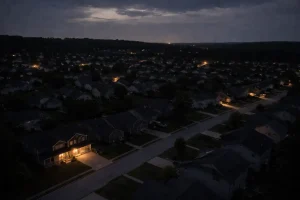
Across the United States, power outages linked to extreme weather have become increasingly common. Events that once occurred occasionally are now happening with greater frequency and intensity, affecting millions of homes each year. From powerful winter storms in the Midwest to prolonged heat waves in the Southwest and hurricanes along the Gulf Coast, weather is playing a growing role in the stability of electrical service. These outages are not random events, but the result of direct interactions between natural forces and the physical infrastructure that delivers electricity. As weather patterns shift and extreme conditions become more severe, the electrical grid is facing challenges that highlight its exposure to environmental stress.
Understanding how weather affects power systems helps explain why outages occur — and why they are becoming more visible in everyday life.
Heat Waves Increase Demand and System Stress
During extreme heat, electricity demand rises sharply as air conditioning systems run continuously to maintain safe indoor temperatures. This surge in consumption places additional strain on the grid, especially during late afternoon and early evening hours when cooling demand peaks. Power lines and electrical equipment also operate less efficiently at higher temperatures, which can further increase stress on the system. In some cases, prolonged heat can cause components to overheat or operate closer to their safety limits.
When demand approaches the maximum capacity of the system, the margin for error becomes smaller. Even minor disruptions during these periods can lead to localized outages, highlighting the relationship between extreme heat and grid stability.
Winter Storms Can Disrupt Infrastructure Directly
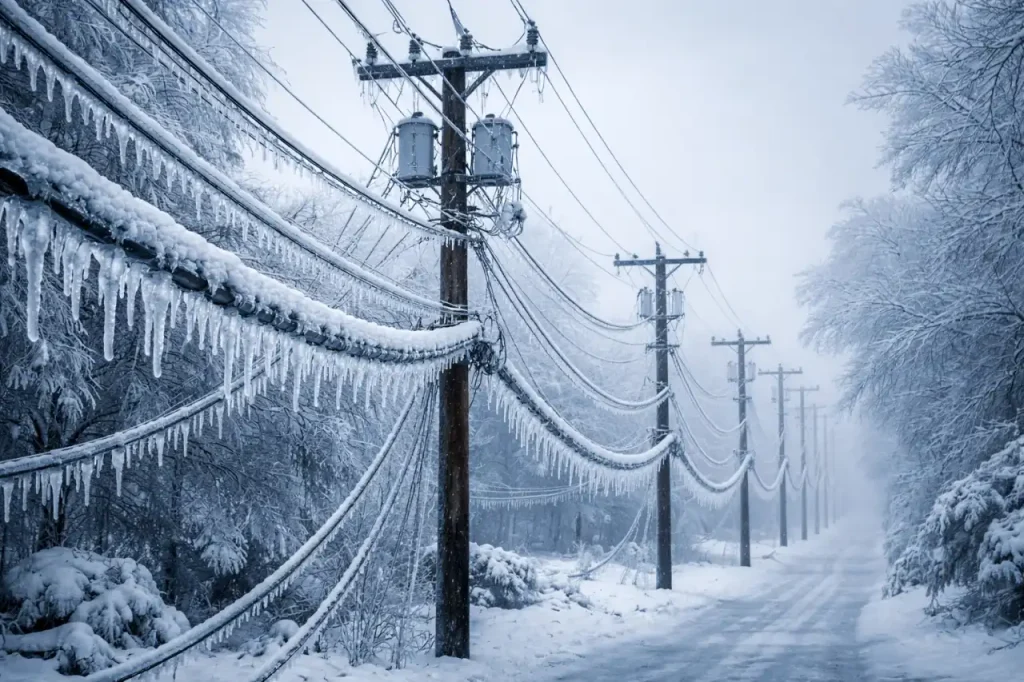
Cold weather presents a different set of challenges. Ice accumulation on power lines adds significant weight, sometimes causing lines to sag or break. Freezing rain can coat equipment in thick layers of ice, interfering with normal operation. High winds associated with winter storms can also knock down poles and damage transmission infrastructure. In addition, snow and ice can make it more difficult for repair crews to access affected areas, extending restoration times.
These conditions can affect large geographic regions simultaneously, making winter storms one of the most disruptive types of weather events for electrical systems.
Hurricanes Combine Multiple Threats at Once
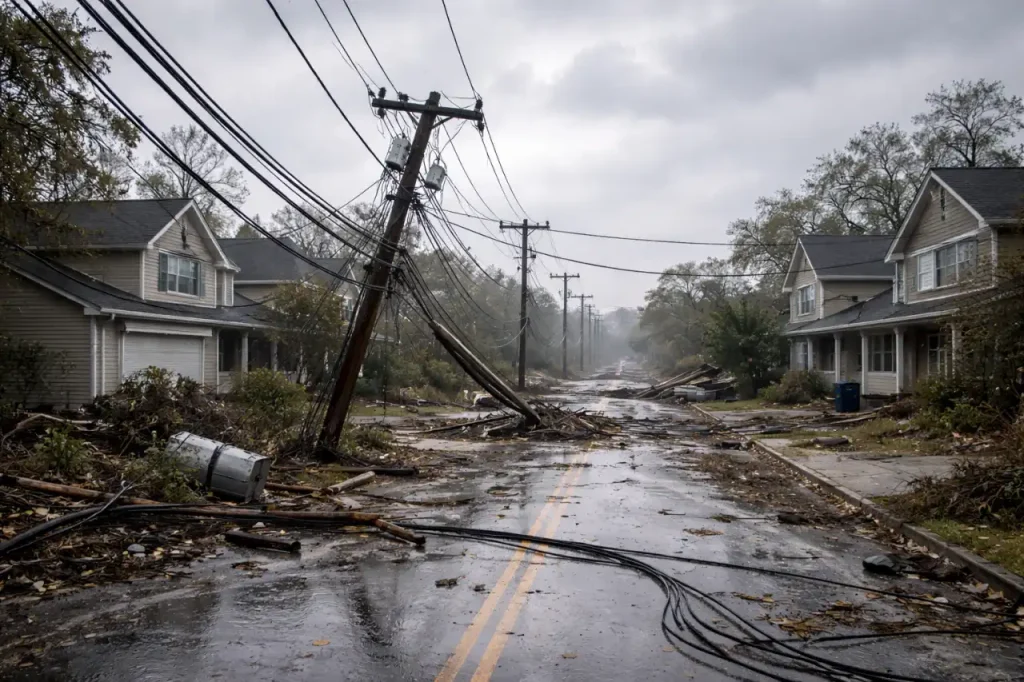
Hurricanes represent some of the most complex and damaging weather events affecting the power grid. Strong winds can topple poles and transmission towers, while heavy rainfall can flood substations and underground equipment. Flying debris can damage lines and transformers, and widespread flooding can isolate entire areas from electrical service. Because hurricanes affect large regions at once, restoring power can be a gradual process that depends on weather conditions, accessibility, and the extent of the damage.
Coastal areas are particularly exposed, but the effects of hurricanes can extend far inland, affecting communities hundreds of miles from the coastline.
Wildfires and Preventative Shutdowns
In regions prone to wildfires, extreme heat and dry conditions increase the risk of electrical equipment contributing to fire ignition. To reduce this risk, utilities sometimes temporarily shut off power in certain areas during high-risk conditions. While these measures are intended to improve safety, they also result in planned power interruptions that can affect homes and businesses.
Wildfires themselves can also damage infrastructure directly, destroying poles, lines, and substations. The combination of fire risk and preventative measures has made wildfire-prone regions particularly sensitive to weather-related outages.
Storms and High Winds Affect Distribution Systems
Even outside of major disasters, storms with strong winds can damage local distribution systems. Falling tree branches are one of the most common causes of outages, especially in residential areas. Distribution lines often run through neighborhoods where trees and vegetation are present, increasing their exposure during storms. When lines are damaged, electricity flow is interrupted until repairs can be completed.
These localized outages may affect smaller numbers of customers, but they occur frequently and contribute to the overall increase in outage events.
Infrastructure Exposure to Environmental Conditions
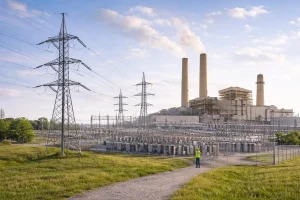
Much of the electrical grid operates outdoors, exposed to weather year-round. Transmission lines cross open terrain, substations operate in outdoor environments, and distribution lines run along streets and neighborhoods. This exposure makes the system inherently vulnerable to environmental conditions. While equipment is designed to withstand normal weather, extreme conditions can exceed those limits.
As weather events become more intense, the likelihood of equipment being affected increases.
The Relationship Between Weather and Reliability
It is important to recognize that the grid remains highly reliable overall. Most homes receive uninterrupted electricity the vast majority of the time. However, weather-related outages have become a more visible part of the overall reliability picture. These events illustrate the connection between natural forces and modern infrastructure, and how environmental conditions can influence systems that support everyday life.
This relationship is not new, but its impact is becoming more apparent.
Weather Is an Increasingly Important Factor
Extreme weather is now one of the most significant external forces affecting the power grid in the United States. Heat waves increase demand, winter storms damage infrastructure, hurricanes affect entire regions, and wildfires introduce new risks. These events highlight the importance of resilience and preparedness within electrical systems and communities.
Electricity remains one of the most reliable services in modern society, but its delivery depends on infrastructure that must operate in the real world, exposed to real environmental conditions. As weather patterns continue to evolve, understanding this connection provides valuable insight into the changing relationship between nature and the systems that power daily life.