Understanding Portable Power and Its Role in Modern Energy Use

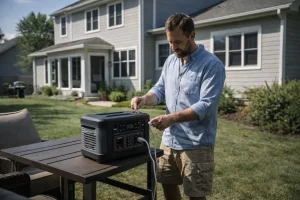
A portable power station provides electricity in outdoor environments, allowing devices and lighting to function without grid access.
Portable power has become an increasingly important part of how people interact with electricity. Unlike fixed electrical infrastructure, portable systems allow energy to be stored and used wherever it is needed. This flexibility has made portable power relevant in a wide range of situations, from outdoor activities to emergency preparedness and everyday convenience.
Portable power stations are designed to store electrical energy and deliver it safely to devices when needed. They function as independent energy sources, capable of powering electronics, appliances, and other equipment without relying directly on the grid. Their ability to operate independently makes them useful during outages, travel, and situations where traditional power sources are unavailable.
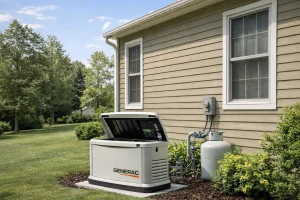
One of the defining features of portable power is mobility. Unlike fixed backup systems, portable units can be moved easily between locations. This allows electricity to be available in places where power would otherwise be inaccessible. Whether used indoors or outdoors, portable systems provide flexibility in how and where energy is used.
Portable power also reflects changing patterns in energy consumption. Modern life increasingly depends on electronic devices, communication tools, and digital systems. Having access to stored electricity allows these devices to remain functional even when grid power is interrupted.
The concept of portable energy represents a shift toward greater flexibility and autonomy. Instead of relying exclusively on centralized infrastructure, individuals can access energy on demand, in the location where it is needed. This mobility has made portable power an increasingly visible part of modern energy use.
As energy technology continues to evolve, portable power systems are becoming more common, reflecting a broader interest in flexibility, preparedness, and energy accessibility.