How Portable Power Stations Work
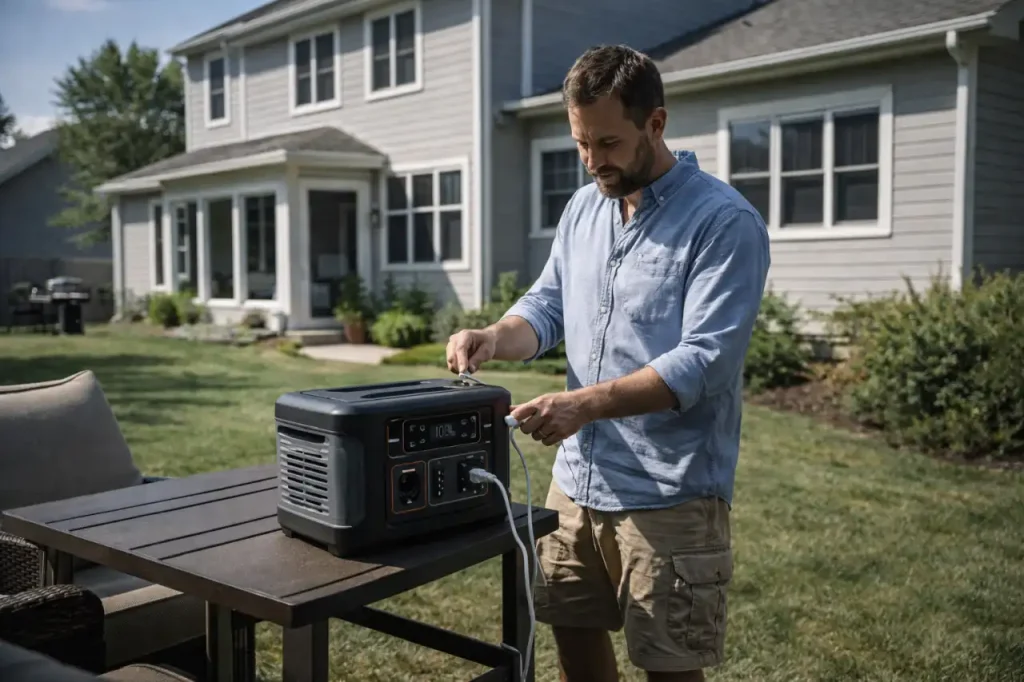
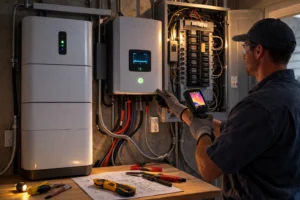
Portable power stations allow homeowners to access stored energy without relying on fixed infrastructure.
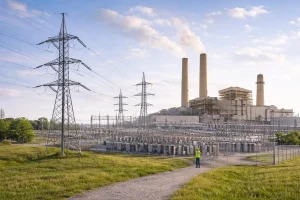
For decades, reliable electricity has been tied almost entirely to a single source: the power grid. Homes, businesses, and communities depend on vast networks of power plants, substations, and transmission lines to deliver the energy that sustains modern life. But in recent years, a quieter shift has begun to take place. New technologies are allowing individuals to store and use electricity independently, without needing to generate it themselves or rely entirely on fixed infrastructure. Among the most accessible of these technologies are portable power stations.
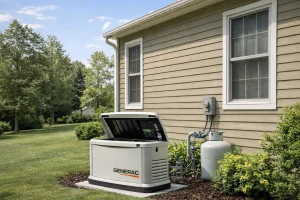
At their core, portable power stations are compact devices designed to store electrical energy and deliver it when needed. Unlike traditional generators, they do not burn fuel or produce emissions. Instead, they rely on internal battery systems that can be charged in advance and used later. This stored energy can then power everyday devices such as laptops, phones, lighting, and small appliances. Their design focuses on simplicity, allowing users to access stored electricity safely and efficiently, often with nothing more than the press of a button.
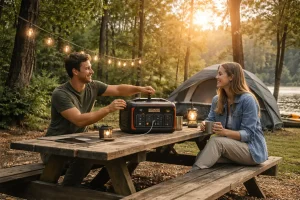
What makes portable power stations particularly appealing is their flexibility. Because they are self-contained, they can be used in a wide range of environments without installation or permanent setup. In a home, they can serve as a temporary energy source during interruptions. Outdoors, they can provide electricity in locations far from traditional outlets. This adaptability has made them increasingly visible in everyday life, not only in emergency preparedness but also in recreation and mobile work.
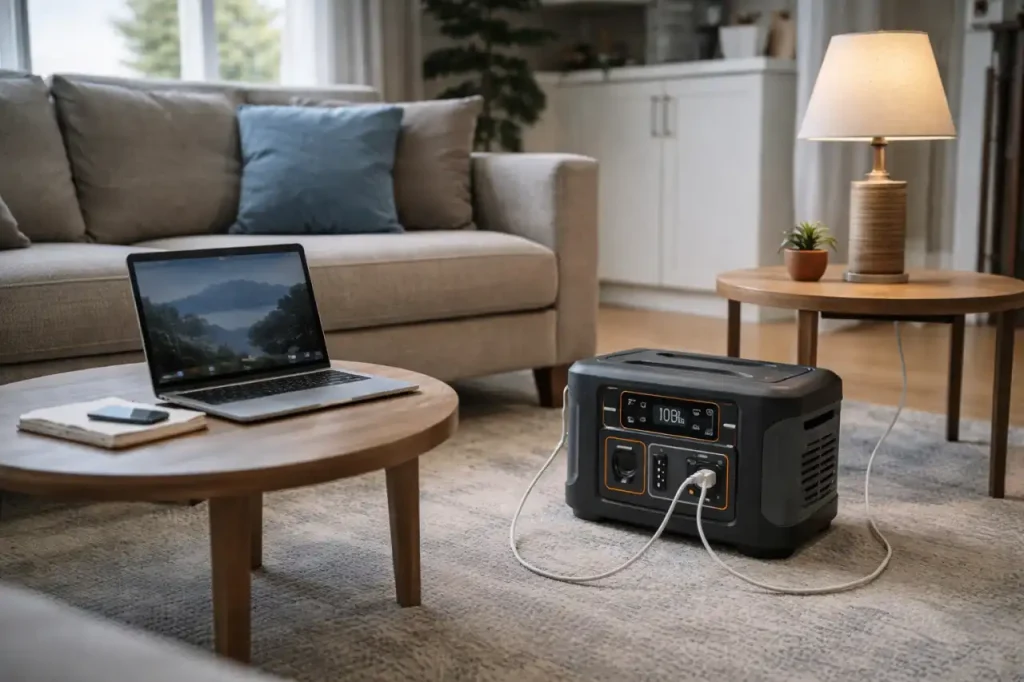
Inside each unit is a carefully engineered system that manages how electricity is stored and delivered. Energy enters the device during charging and is held within battery cells designed for stability and longevity. When a device is connected, the power station regulates the flow of electricity, ensuring that it remains consistent and safe. This controlled process allows sensitive electronics to operate normally, just as they would when connected to a wall outlet.
Another important characteristic is their portability. Advances in battery technology have made it possible to store significant amounts of energy within relatively compact enclosures. Many units are designed with handles and durable casings, making them easy to move from one location to another. This mobility allows households to use stored power where it is needed most, rather than being limited to a single fixed point.
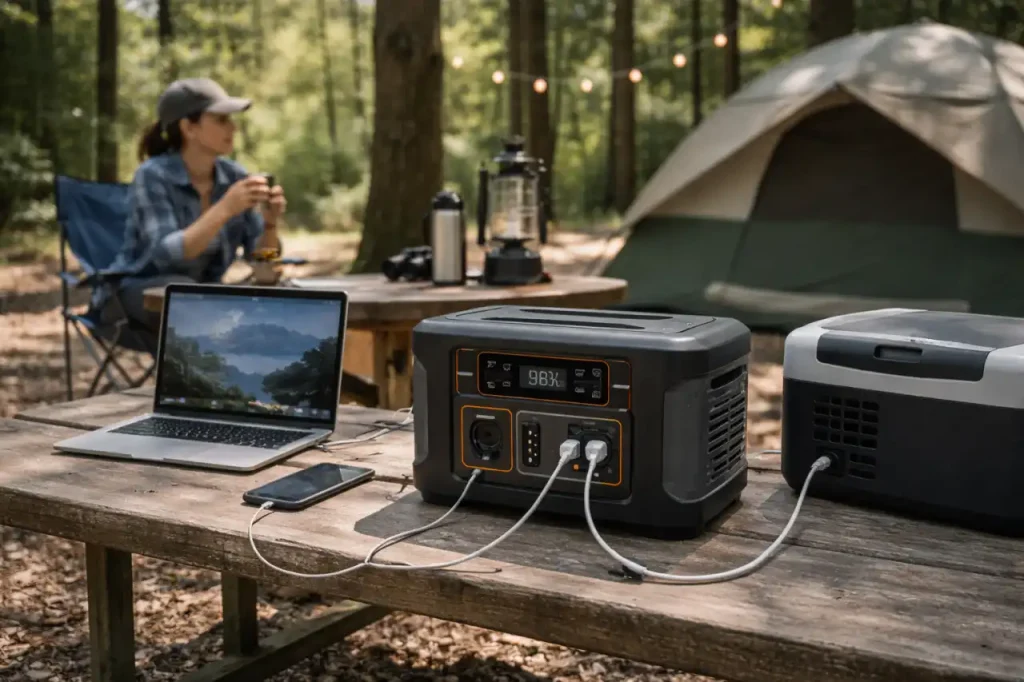
Portable power stations also reflect a broader change in how people think about electricity. Instead of viewing energy as something that only arrives from outside sources, it becomes something that can be stored, managed, and used more intentionally. This shift does not replace the grid, but it adds a layer of independence and flexibility that was not widely available in the past.
As energy technology continues to evolve, devices like portable power stations are becoming part of the modern household landscape. They represent a practical response to an increasingly complex energy environment, offering a way to maintain continuity without requiring major infrastructure changes. In doing so, they quietly redefine what it means to have access to electricity—not as something fixed and distant, but as something closer, more flexible, and more personal.