Why More Americans Are Preparing for Power Outages
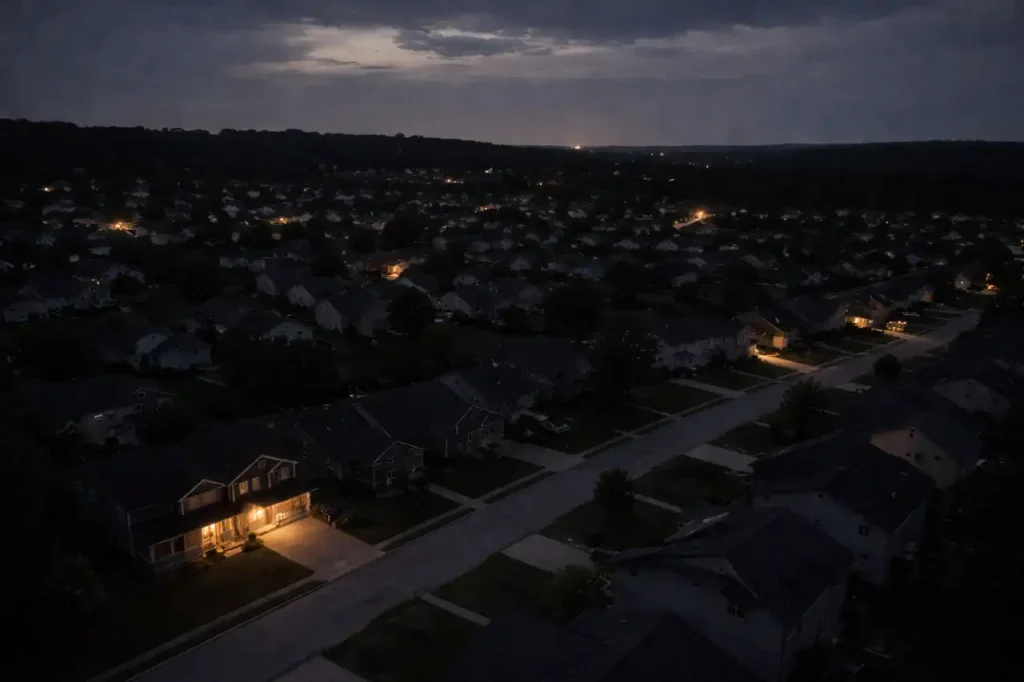
Power outages have become more frequent across American neighborhoods in recent years.
Over the past decade, power outages in the United States have shifted from rare inconveniences to recurring disruptions that affect millions of households each year. What was once considered an occasional consequence of severe weather has evolved into a broader concern tied to infrastructure, climate, and energy demand. For many Americans, the assumption that electricity will always be available has been quietly replaced by a more cautious reality—one where interruptions are not only possible, but increasingly expected.
One of the most visible drivers of this change has been extreme weather. Winter storms in Texas left entire cities without heat for days. Hurricanes along the Gulf Coast have knocked out power for weeks at a time. Wildfires in California have forced utility companies to deliberately shut down sections of the grid to prevent further disaster. These events have shown that even in the world’s most developed economy, the electrical system can be fragile when pushed beyond its limits. As a result, families are beginning to think less in terms of convenience and more in terms of preparedness.
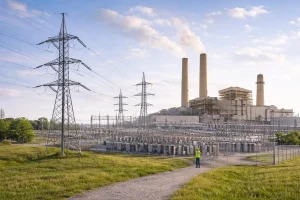
Beyond weather, the aging electrical grid itself has become part of the conversation. Much of the infrastructure that delivers electricity across the country was built in the middle of the 20th century, designed for a population and level of demand far lower than what exists today. Over time, expansion and maintenance have struggled to keep pace with rapid growth, particularly in suburban and high-temperature regions where energy consumption continues to rise. This imbalance has made outages more likely, especially during periods of peak demand when the system is under the greatest strain.
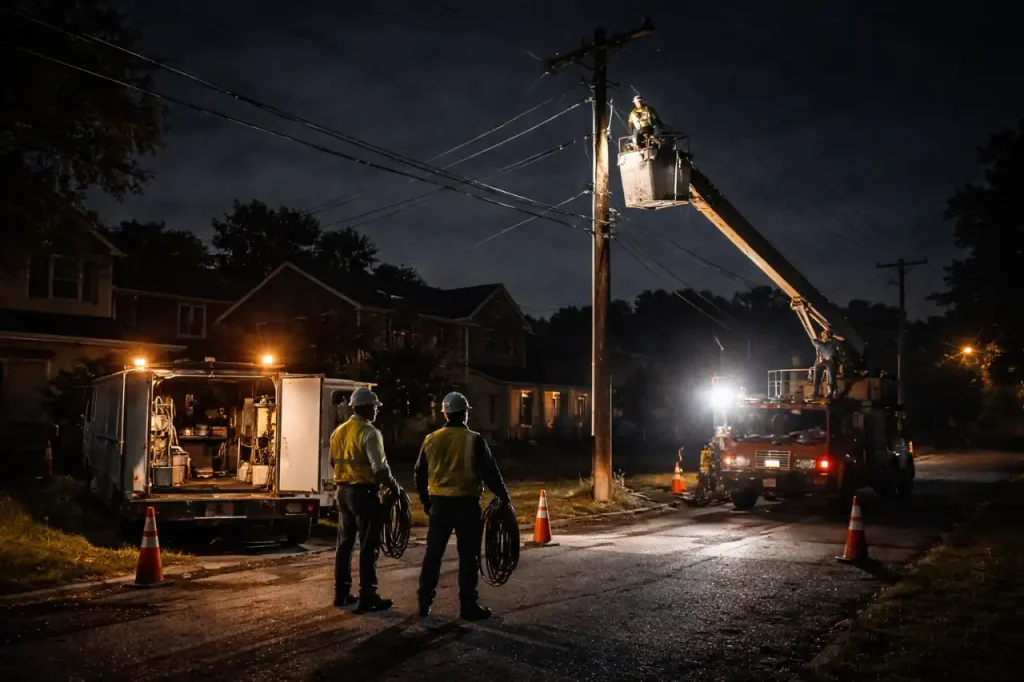
There is also a growing awareness of how deeply electricity is woven into everyday life. Modern homes rely on continuous power not only for comfort, but for basic functionality. Refrigeration, communication, security systems, medical equipment, and remote work all depend on a stable supply of electricity. When that supply is interrupted, the impact is immediate and personal. Food can spoil within hours. Phones lose charge. Heating and cooling systems stop working. For many households, the experience has served as a wake-up call, highlighting just how vulnerable daily routines can be.
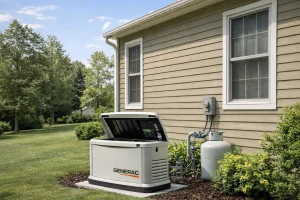
This shift has led to a noticeable change in behavior. Homeowners are no longer thinking about outages only after they happen. Instead, they are planning ahead, considering how they would respond if the grid were to fail again. In conversations with neighbors, online forums, and local communities, the topic of backup power has become increasingly common. What was once a niche interest associated with remote living or emergency planning is now part of mainstream household decision-making.
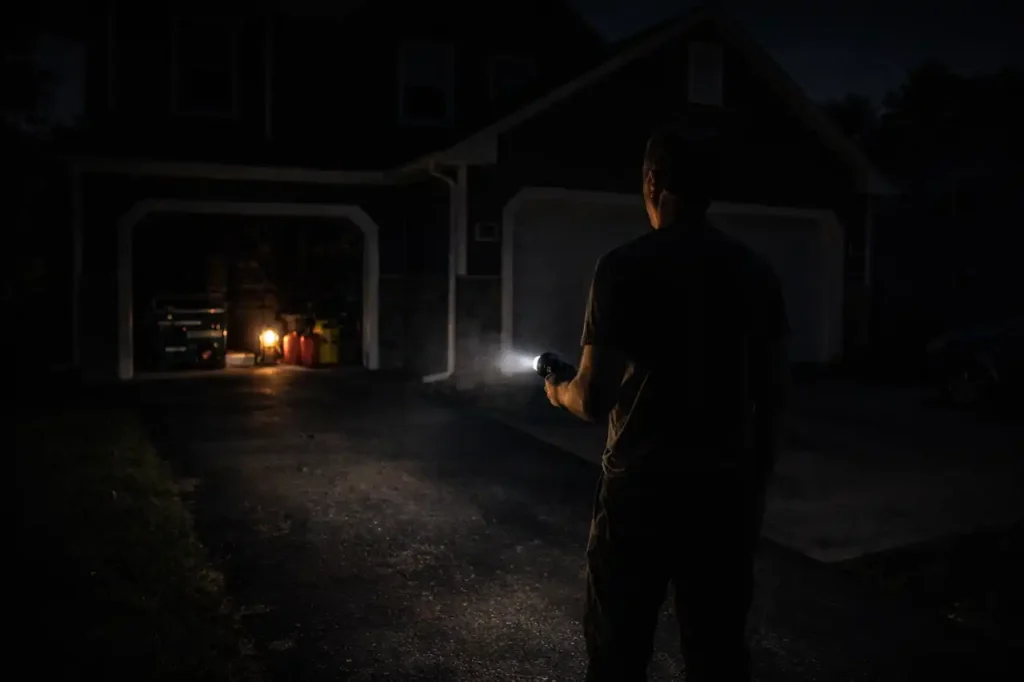
Psychologically, preparation brings a sense of control in situations where control is otherwise limited. Knowing that there is a plan in place—even a simple one—can reduce the uncertainty that comes with unexpected outages. It allows families to maintain a level of normalcy during disruptions, whether that means keeping essential devices running, maintaining lighting, or preserving food supplies. This growing emphasis on resilience reflects a broader cultural shift, one that prioritizes readiness over assumption.
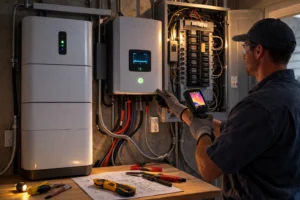
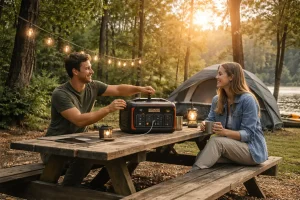
At the same time, technological progress has quietly made preparation more accessible than it was in the past. Advances in energy storage, efficiency, and system design have created new possibilities for homeowners who want to reduce their dependence on a single source of power. While the traditional electrical grid remains the primary energy source for most Americans, it is no longer the only option people are considering when thinking about reliability.
Ultimately, the increased focus on outage preparedness reflects a simple but powerful realization: electricity is not just a utility, but a critical foundation of modern life. As outages become more frequent and more disruptive, the decision to prepare is less about fear and more about practicality. For many Americans, it is no longer a question of whether another outage will occur, but when—and whether they will be ready when it does.